Wedding Photography Buzzwords: What Do They Actually Mean?
Don't Let the Buzzwords Choose Your Photographer
If you’ve spent any amount of time looking through wedding photography websites, you’ve noticed that some of them can be a little… verbose. You’ll find some flowery language meant to appeal to your emotional side and lots of talk about things like artistic vision. You’ll also notice that certain style terms keep coming up across all the different sites you’ve visited. Photographers like to use those terms to define themselves and distinguish them from each other.
Here’s where the problem can arise: what do those terms actually mean? Do they even mean anything at all, or are they just fancy-sounding marketing buzzwords that people use to make themselves sound special? What exactly is a light-and-airy, documentary-style editorial wedding photographer, and do you actually want one?
Fear not! You’ve come to the right place. Let’s take a look at some of the more common marketing buzzwords that wedding photographers like to use. It’ll be much easier for you to make your final decision once you know what all these terms mean. More importantly, you’ll be able to spot which photographers actually know what they mean and which ones are just using them to try to impress you.
What These Terms Actually Mean
Here’s an important piece of advice: make sure you ask the photographer what the terms they use actually mean. If they try to gloss over the question, you’ll know what you need to do.
These are a few of the more common terms you’ll come across:
Cinematic
Editorial
Documentary
Candid
Natural Light Photographer
Dark & Moody
Cinematic: Does It Look Like It Belongs in a Movie?
This might be the term that gets used (or misused) the most. It gets used a lot by videographers, but it’s common in photography as well. If you ask the wrong person to define it, they’ll probably say something like, “the shot looks like it’s from a movie.” Not too helpful, is it? What is it that makes the shot look like a movie still, exactly?
That description isn’t exactly wrong, it’s just incredibly vague. If a photo has a cinematic quality to it, it means that the photographer was using elements of cinematography to create the photo.
A filmmaker has several story-telling devices at their disposal: they can use dialogue (obviously), sound, music, lighting, expressions, composition and motion to help them tell the story. A photographer can use some of those devices as well: lighting, expressions and composition - and even motion in some cases - are techniques that can be used to create a photograph with cinematic elements.
A great example of a cinematic composition might be the over-the-shoulder shot. In a movie, it’s quite common to have the camera shoot over the shoulder of one person in a conversation to concentrate on the other. This is to tell you that the person who we’re looking at is the more important person in the frame right now, either because they’re the one who’s talking or because they’re listening and their reaction is important.
Question to ask a photographer: What makes your photography cinematic?
Editorial: Creating the Photograph Rather Than Just Capturing It
“Editorial,” like “Cinematic,” is one of those terms that often gets defined as “It looks like it’s from a…”. In this case, it’s often simply described as a shot that looks like it belongs in a magazine. Again, this isn’t technically incorrect, but it is excessively vague and unhelpful.
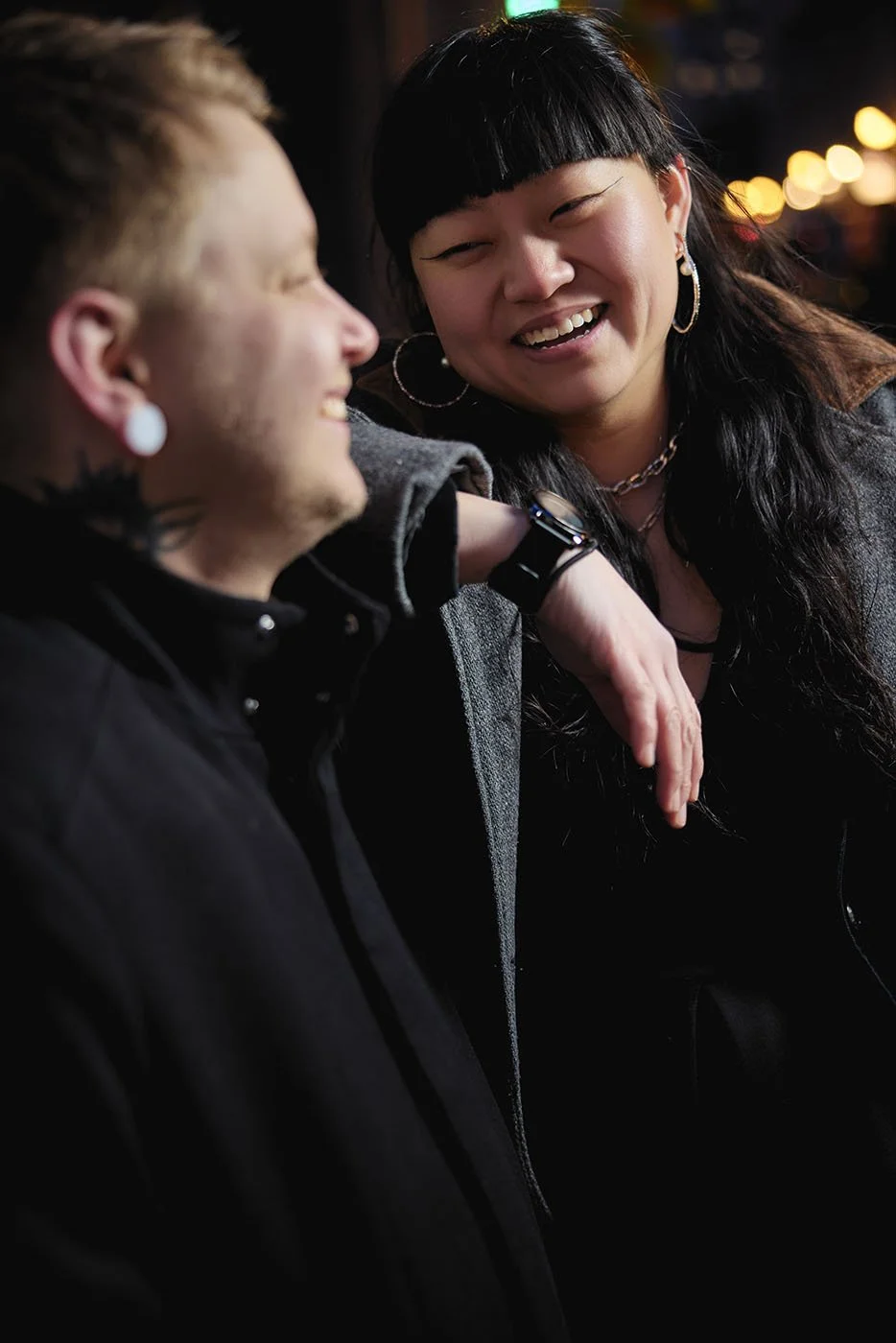
Editorial photography has its roots in fashion magazines. In short, an editorial photograph is one that’s intended to accompany and help illustrate a magazine article. It’s a highly curated shot that was planned out ahead of time and involved a certain amount of production to set up.
In an editorial photo, very little if anything is left to chance. The photographer controls everything from the posing and expression to the lighting, the setting and even the location. The goal is to create something rather than to capture something that was already happening.
Editorial photography, when done well, can create some really striking images. The downside: the photographer exerts a lot of control over the process and you have to be willing to put in a lot of work per shot. If you’re the kind of person who doesn’t want the photographer to exert that much influence over the day, this might not be the right style for you.
Question to ask a photographer: How much direction do you give when you're creating an editorial photograph?

Documentary: Capturing What Actually Happens
Documentary photography is in many ways (probably all of them) the opposite of editorial photography. Where an editorial photographer would try to exert control over every element of the shot, a documentary photographer will actually step back and capture what’s unfolding on its own.
A documentary photographer’s job is to record the events that are unfolding around them with the intention of using them to tell a story. What’s important to a documentary photographer are elements that will help them do that, most notably expressions on people’s faces. Capturing emotions is an incredibly useful storytelling device.
This doesn’t mean that the photographer will be silent and invisible the entire day, however. They won’t simply spend the entire day walking around taking candid shots (incidentally, “Candid” is another well-used term that we’ll cover shortly). Family portraits still need to be organized and posed photos do need to happen. They simply take a less intrusive approach to these parts of the day, while still making sure the necessary photographs get taken They prefer capturing moments in time to capturing timeless moments.
Documentary photos aren’t just about people, though. They’re about telling the story. When viewed in context of the whole set of images, detail shots of things such as jewelry, invitations, place settings at the reception and even a drone shot of the venue can help to tell the story.
Question to ask a photographer: How much direction do you give during the wedding day?
Candid vs. Documentary: They're Not the Same Thing
Many people will use Candid and Documentary interchangeably, but they actually refer to two different things.
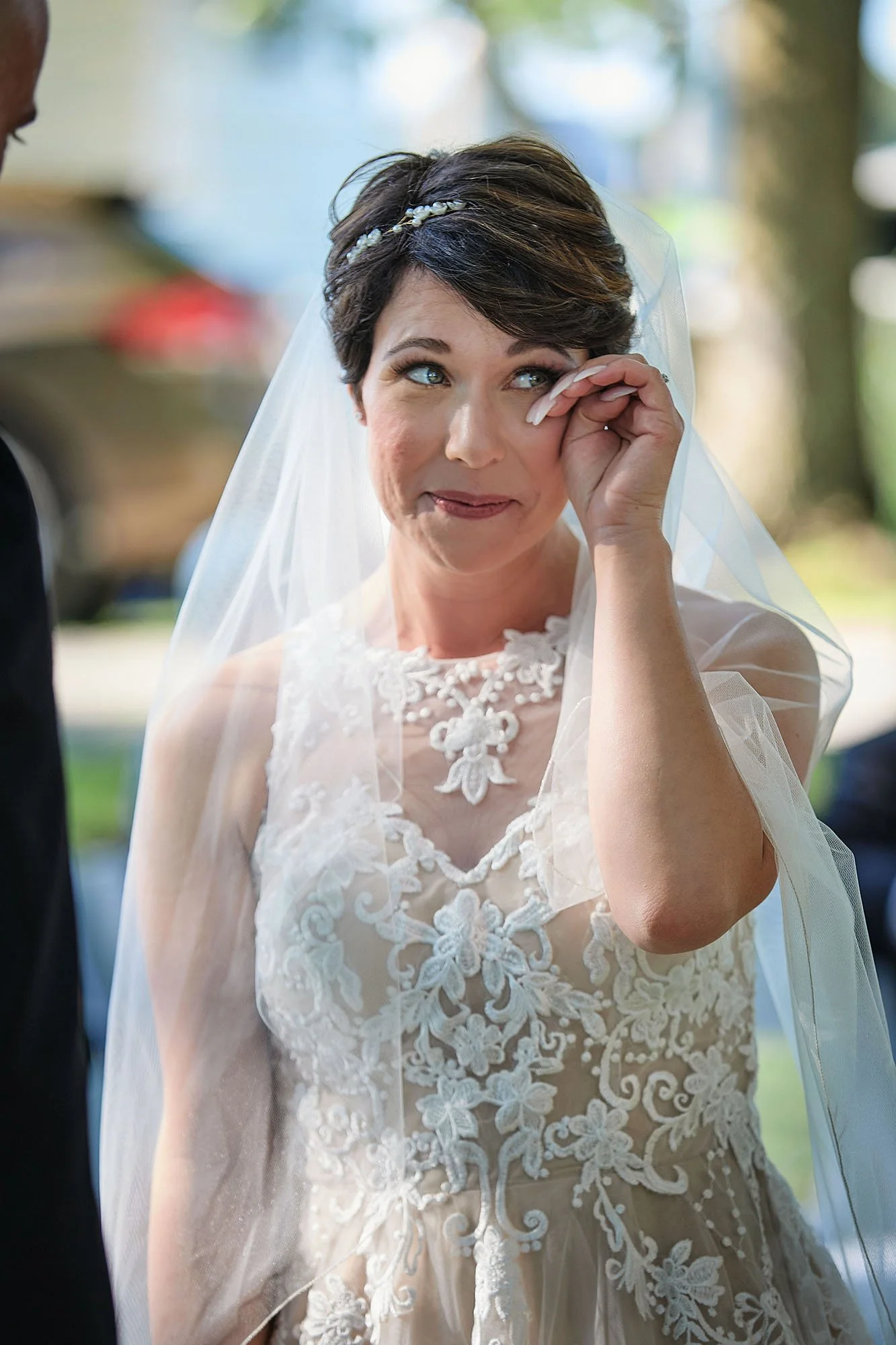
“Documentary” refers to the photographer’s approach to creating the image. A candid photograph, however, is a much simpler concept. It simply refers to the subject’s relationship with the camera. Any shot where the subject doesn’t appear to be aware of the camera is a candid photo.
It doesn’t matter what the subject is doing: they could be talking with someone, reading a card, flipping a burger or even staring off into space. If the subject appears to be camera-unaware, it’s a candid photo. It is entirely possible (and quite common) for a photo to be both candid and documentary, but they aren’t the same thing.
In short: “Documentary” refers to how the photographer approaches creating the photo. “Candid” refers to the subject’s relationship to the camera. Building on this…
Question to ask a photographer: When you say your work is candid/documentary, what's the difference?
Natural Light: Preference or Limitation?
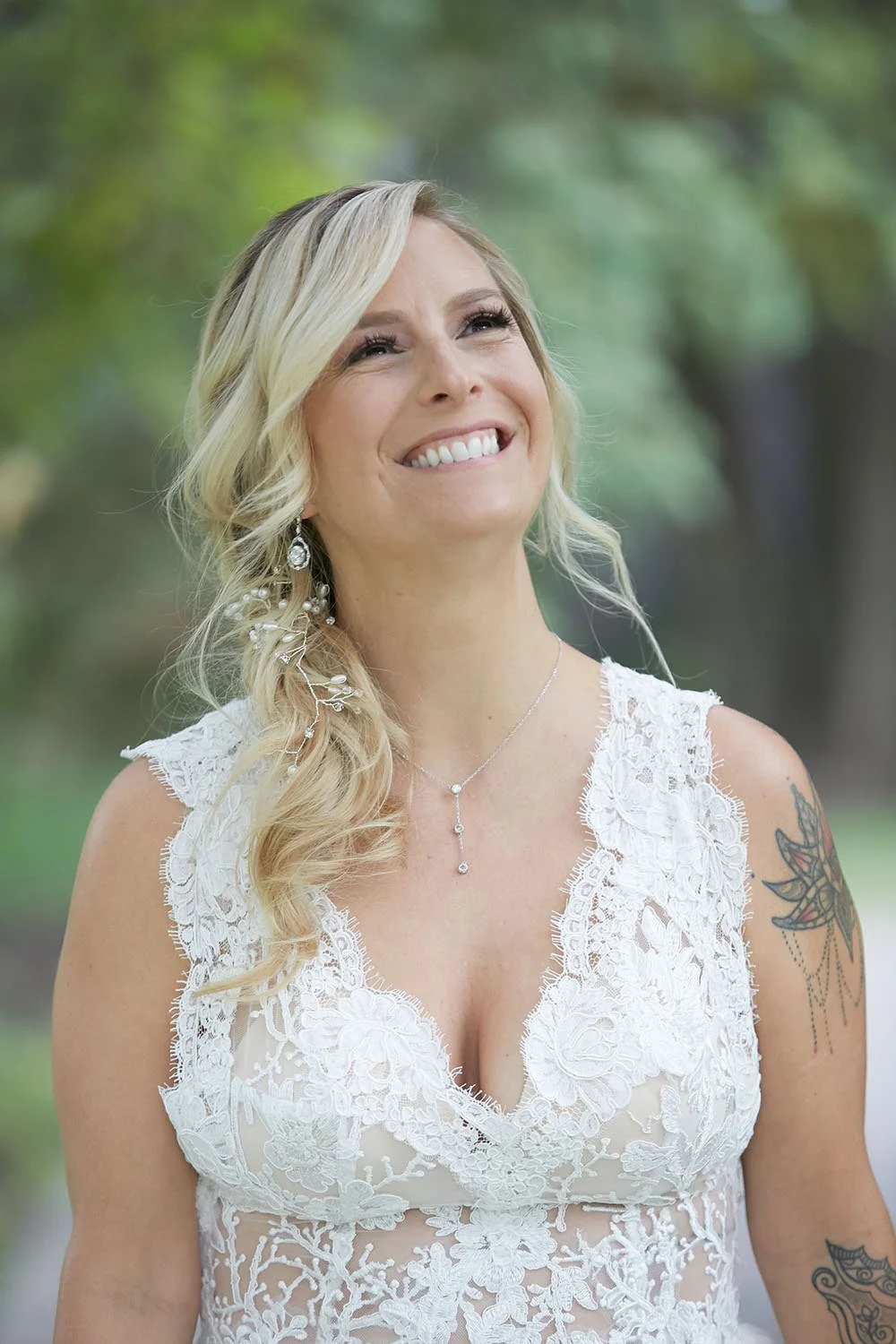
Here’s something that can be a big point of contention among photographers. You may have come across a photographer who refers to themselves as a “Natural light photographer.” So what does that mean, exactly? Don’t all photographers work with natural light?
In general, yes, especially when covering events like weddings. Any photographer will work with natural light for at least some of the day. There are some photographers, though, who will try to work exclusively with natural light whenever possible. Often, this is simply a stylistic choice. They prefer the simplicity of natural light. There’s nothing wrong with that, and many photographers can get shockingly good images in even the harshest of natural-light conditions.
But that’s not always the case. Sometimes, a photographer limits themselves to using natural light because they have very little understanding of how to use artificial lights (usually flashes) well. Instead of learning, they’ll say things like “I’m a natural light photographer” or “Flash gives bad photos.” The problem here is they’re limiting themselves because natural light isn’t always good. Sometimes, no matter what you try, it’s simply bad light.
Sometimes there isn’t any natural light. What can the photographer do if the wedding reception is outdoors and the sun has set? At this point, there’s no choice but to use flash. A photographer who doesn’t know how to light an outdoor dance floor properly is going to struggle.
If you prefer the look of natural light for your photos, great! It’s purely a stylistic choice for you and you should definitely consider a photographer who shares your artistic taste. So how do you distinguish the photographer who prefers natural light as a creative choice from the one who relies on it because they have limitations with artificial light?
Question to ask a photographer: What do you do when the natural light isn't working?
Dark & Moody: A Photography Style or a Lightroom Preset?
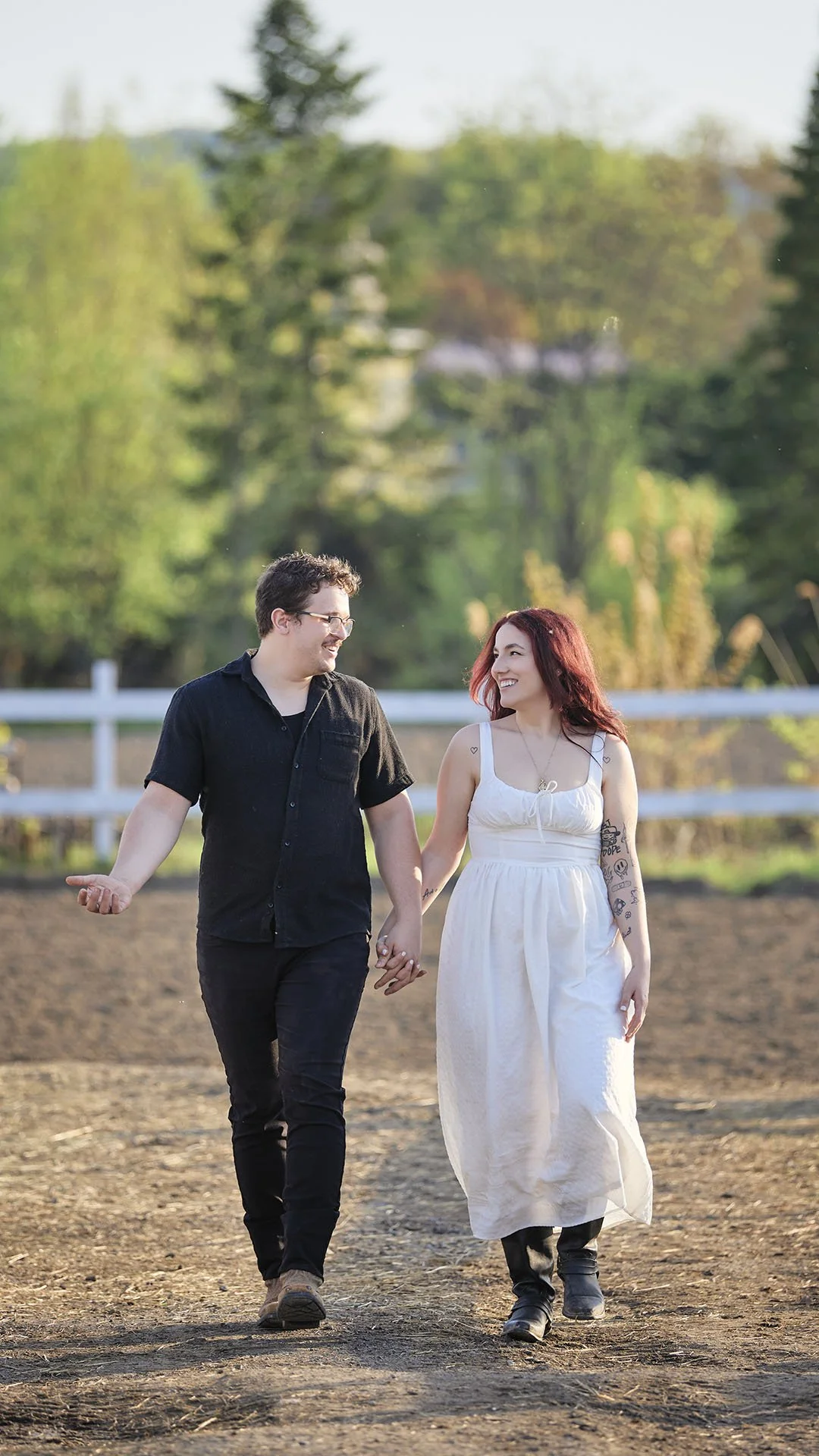
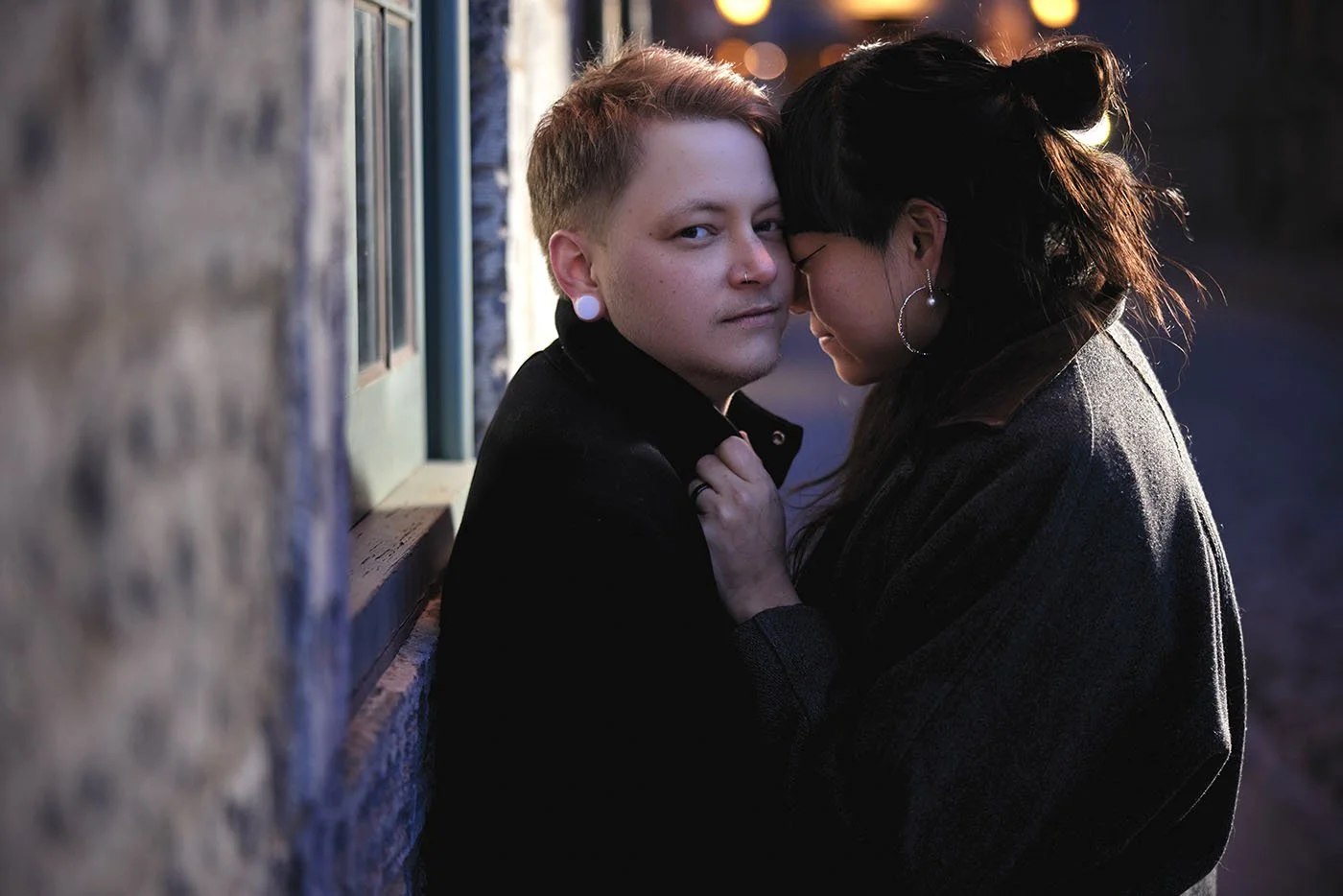
This is the name for a trend that started to become popular sometime in 2019 or 2020. It’s characterized by photos with darker shadows, subdued highlights and muted colours. The photos also tend to have muted colours.
But is that really a photography and lighting style, or just a look that’s applied in editing?
Dark and moody is a feeling that’s created by a combination of lighting, setting and subject. It’s generally characterized by strong shadows and directional light in combination with an overall darker aesthetic. You can have strong shadows, bright colours and lots of contrast and still have a dark and moody photo.
Let’s say you have a colourful, happy photo with people smiling in a field of flowers (quite common for a wedding photo). If you mute the colours and crush the shadows, do you suddenly have a photo with a dark and moody feel or is it just a photo with a specific look applied in editing? It’s still a photo of people smiling in a field of flowers. Not exactly dark and moody subject matter, is it? For this, I actually have question you should ask yourself instead of the photographer…
Question to ask yourself: Would this photograph still feel dark and moody without the editing?
What Should You Actually Look For?
So now that we’ve got a better understanding of some of the more common marketing buzzwords wedding photographers use, how do we use this information?
The underlying advice here is simple: ask questions. If a photographer uses industry terms, ask them to explain those terms to you. Some photographers know what they’re talking about and will be more than happy to explain what those terms mean and how they apply to their style. Others just use them as buzzwords to try and impress you and may not actually know what they mean. The more questions you ask, the easier it’ll be for you to tell which kind of wedding photographer you’re speaking with.
This goes without saying, but also look at their portfolio. If a photographer describes their work as Dark and Moody but all of the photos have a happy, light and cheerful aesthetic to them, you’ve found an inconsistency. Their work and their marketing should be cohesive.
In Summary…
Asking questions is key. If you’re the kind of person to skip to the bottom to get the short version of the information, this is the part for you.
If a photographer uses…
Cinematic:
“What makes your photography cinematic?”
Editorial:
“How much of the image do you create or direct?”
Documentary:
“How much direction do you give during the wedding?”
Candid:
“What do you mean when you describe your work as candid?”
Natural Light:
“What do you do when the natural light isn't working?”
Dark & Moody:
“What creates the mood in your photographs—the lighting, the environment, the editing, or some combination?” Also ask yourself: Would these photos still feel dark and moody without the editing?
To be clear…
It’s not like these terms are bad or misleading. Like all terms, they simply need to be understood and used properly. All you need to be able to do is recognize the difference between when a word is an accurate description of the work you’re looking at and when it’s simply being used to make someone sound more impressive.
If the photographer can give you a good explanation of the terms they use and you can see those terms reflected in the consistency of their work, there’s a good chance you’re talking to the right person.
Don't choose a photographer based on a buzzword. Choose them based on their work.
If you like what you see in my portfolio and want to know more about how I approach weddings, get in touch. We can talk about your plans, your priorities, and what you want your wedding photographs to look like.
Just starting your wedding photographer search? Here’s some more helpful advice for finding a wedding photographer.
First things first, though: you need a venue! Take a look at some of my featured wedding venues.
F.A.Q.
-
They describe different approaches to creating photographs. Cinematic photography draws on visual storytelling and cinematography, while editorial photography tends to involve more planning, direction, styling and control by the photographer.
-
Candid describes the subject's relationship with the camera—the subject appears unaware of being photographed. Documentary describes the photographer's approach: observing, anticipating and capturing events as they unfold rather than primarily creating them.
-
No. Documentary photographers may still organize family portraits and provide direction when appropriate. The distinction is that most of the wedding day is photographed with less intervention and more observation.
-
It generally means a photographer who prefers to use available natural light rather than artificial lighting when possible. It's a legitimate creative preference, but it's worth asking how they handle situations where natural light isn't sufficient or flattering.
-
Not necessarily. Genuine dark and moody photography can involve low-key or directional lighting, shadows, setting and subject matter that establish the mood during capture. Editing can enhance that look, but shouldn't be the only thing creating it.
-
Ask the photographer to explain what the term means in their work, then look through their portfolio to see whether the description is consistently reflected in their photographs. Their answer and their actual work should tell you more than the marketing term itself.
-
Your photographer's approach and the look of their work should both be part of your decision. Rather than choosing a photographer because you like a particular label, look at complete galleries and make sure you like both the photographs and the way the photographer approaches a wedding.